About Oral Mucositis

What is oral mucositis?

Painful oral lesions come in a variety of forms, from multiple small ulcers to more severe conditions such as oral mucositis. Oral mucositis is characterised by unpleasant, painful ulcers and inflammation in the mouth.

In some cases, oral mucositis can cause severe discomfort or pain and may even prevent swallowing of food and fluids.

Who is affected by oral mucositis?

Oral mucositis can affect people who are receiving radiotherapy and/or chemotherapy for a wide variety of reasons.

Statistics are shown below, however, the true incidence of oral mucositis may be even higher as oral mucositis that is not classed as ‘severe’, but which may have an impact on patients’ comfort, is not consistently reported.
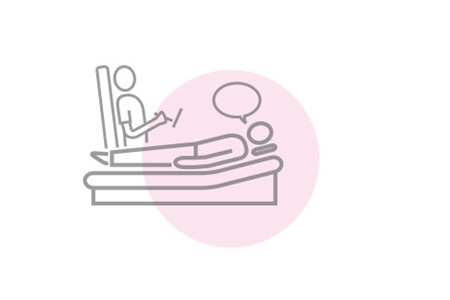
ORAL MUCOSITIS OCCURS IN:

5 - 40%

Patients receiving treatment for solid tumours with myelosuppresive chemotherapy.

75 - 100%

Patients receiving stem-cell transplantation (chemotherapy is used to prepare the patients system beforehand).

85 - 100%

Patients receiving radiotherapy for head and neck cancer.

FAQ's

The oral side effects associated with chemotherapy and radiotherapy can have a severe impact on patients’ lives and can also affect their treatment. In patients who experience moderate to severe oral mucositis:

  • Chemotherapy can be stopped, reduced or delayed or another treatment might be sought.
  • Admittance to hospital may be required.
  • A feeding tube may be needed to help provide them the nutrition they need.


As well as these problems, oral mucositis may lead to:

  • Increased risk of infection and fever
  • Need for strong painkillers (e.g. opioids)
  • Increased weight loss
  • Restricted mouth care
  • Impaired speech


The lining of the mouth is more sensitive than the rest of your skin. The symptoms of oral mucositis are caused by a breakdown of this lining and the exposure of the nerve endings, which can be related to chemotherapy or radiotherapy.

Chemotherapy: symptoms usually develop on day five, peaking after seven to ten days.

Radiotherapy to the head and neck: symptoms will usually start one to two weeks after first dose of radiotherapy and usually continue for one to three weeks after therapy is completed.

Good oral hygiene is important in preventing and managing oral mucositis. Two key doctors’ organisations, the Multinational Association of Supportive Care In Cancer (MASCC) and the International Society of Oral Oncology (ISOO), agree that patients should:

  1. Brush, floss, rinse and moisturise their mouths regularly and systematically
  2. Use a soft toothbrush and replace it on a regular basis
  3. Report oral pain to their healthcare provider
  4. Be sure to attend any dental appointments arranged for before, during and after their cancer treatment


But what if the oral mucositis has already occurred?

Gelclair® is an oral gel that helps to relieve the pain associated with oral mucositis and other treatment-related oral lesions. Gelclair® does this by forming a bioprotective coating inside the mouth, offering rapid and effective pain management and can potentially improve a sufferer’s ability to eat and drink.

To find out more about how Gelclair® works and where to get it, click here or visit our Gelclair® page.

Some cancer treatments can cause painful mouth ulcers also known as mucositis. This is the swelling and irritation of the cells caused by a biological imbalance and can occur 5 to 10 days after treatment has commenced. Symptoms may include dryness or swelling of the mouth, burning or discomfort when eating and open sores in the mouth and throat. The mouth ulcers normally heal and disappear four weeks after treatment. They are not usually preventable but it is possible to manage the discomfort.

If you are experiencing pain please mention it to your doctor or nurse who may prescribe a mouth wash such as Gelclair® which creates a bioprotective coating that adheres to the lining of the mouth, including ulcers. Gelclair® effectively binds itself to sores and ulcers and forms a protective barrier over mouth ulcers.
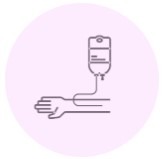
Chemotherapy

Chemotherapy drugs often work by targeting cancer cells as they divide and reproduce. Cancer cells are vulnerable because they divide more quickly than others but some healthy cells also reproduce at a fast rate.

Radiotherapy

Radiotherapy targets cancer by using radiation (usually x-rays) on the area that needs treatment. This damages the DNA in the cancer cells. Healthy cells in the area are also damaged but they are better at recovering.
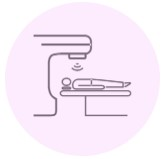
Radiotherapy

Radiotherapy targets cancer by using radiation (usually x-rays) on the area that needs treatment. This damages the DNA in the cancer cells. Healthy cells in the area are also damaged but they are better at recovering.


Are you a healthcare professional?

Chemotherapy

The following summarise a few of the common side effects of chemotherapy which is from the Macmillan Cancer Support website.11 For their full advice and information, please visit www.macmillan.org.uk

Chemotherapy treatment can cause different side effects. These vary depending on the drugs you have. If you’re having a single drug, you may not have as many side effects as someone having a combination of drugs. People having high doses of chemotherapy may have more complex side effects.

Your cancer doctor and nurse specialist will explain the side effects that your chemotherapy is likely to cause. Most side effects can be reduced and controlled with drugs. Your doctor or nurse can tell you how to manage them.

Feeling tired:

Some people feel very tired during chemotherapy. This is normal. It can be very frustrating and difficult to cope with, especially for people who normally have a lot of energy.

Managing tiredness

  • Try to cut down on things you don’t really need to do. Family and friends are often keen to help.
  • If you have children, ask for help looking after them when you have chemotherapy and for a couple of days after. Some people may need extra childcare help and a social worker can usually arrange this.
  • Make sure you get plenty of rest. But try to take some gentle exercise, such as short walks or more if you feel up to it. This will give you more energy and helps to keep some of your muscles working.
  • Some people carry on working during chemotherapy. Most employers will reduce your hours and change work duties to make things easier for you.

The tiredness will get easier when chemotherapy is over. But it can be three or four months until you feel back to normal. Some people find that they still feel tired a year or so afterwards.

Feeling sick:

Some chemotherapy drugs can make you feel sick (nauseous), or be sick (vomit). Not all drugs cause sickness and many people have no sickness at all. There are very effective treatments to prevent and control sickness.

If your chemotherapy is known to cause sickness, you’ll be given anti-sickness drugs by injection or tablets before your chemotherapy. You’ll also be given tablets to take at home afterwards. Take these regularly, even if you don’t feel sick, and exactly as your doctor has prescribed them. It’s easier to prevent sickness than treat it once it’s started.

Helpful hints – feeling sick

  • Try eating dry food, such as toast or crackers, first thing in the morning.
  • Ginger is sometimes recommended to help with nausea – try crystallised ginger, ginger tea or ginger biscuits.
  • Sipping a fizzy drink can help – try mineral water, ginger beer or ale, lemonade or soda water and sip slowly through a straw.
  • Avoid fried, fatty foods or foods with a strong smell.
  • Eat cold food if the smell of cooking bothers you.
  • If possible, let someone else cook or prepare food for you.

Mouth problems:

Chemotherapy can cause different mouth problems, such as a sore mouth, mouth ulcers or infection. Your chemotherapy nurse will explain how to look after your mouth to reduce the risk of problems.

Some chemotherapy drugs can make your mouth sore and you may get mouth ulcers about 5–10 days after they’re given. Mouth ulcers can become infected or you may develop an infection in your mouth.

Always let your doctor or chemotherapy nurse know if you have mouth ulcers, or any problems with your mouth. They can give you mouthwashes, medicines and gels to heal ulcers and clear or prevent any infection.

It’s a good idea to see your dentist before you start treatment. Dental treatment may need to be delayed during chemotherapy because of the risk of infection and a sore mouth.


Helpful hints – taking care of your mouth

  • Clean your teeth or dentures gently every morning, evening and after meals using a soft-bristled or children’s toothbrush and rinse your mouth regularly with salt water.
  • If your toothpaste stings or brushing your teeth makes you feel sick, try using a mouthwash of one teaspoon of bicarbonate of soda dissolved in a pint (570mls) of warm water.
  • If your doctor or nurse gives you a mouthwash, use it as prescribed to prevent soreness.
  • Gently use dental tape or floss once a day (unless you have low platelets).
  • Keep your lips moist by using Vaseline® or a lip balm.

Helpful hints – if your mouth is sore

  • Try to drink at least 3 pints (1.5 litres) of fluid a day (including water, tea, weak coffee and soft drinks).
  • Avoid hot spices, garlic, onion, vinegar and salty food.
  • Add gravies and sauces to your food to keep your mouth moist and make swallowing easier.
  • Avoid unmixed alcoholic drinks (such as vodka and whisky), tobacco and acidic drinks such as orange and grapefruit juice.

Increased bleeding and bruising:

If the number of platelets in your blood is reduced you may bruise very easily, or bleed more than usual from minor cuts or grazes.

Tell your hospital doctor or nurse about this and contact them straight away if you notice or have: nosebleed, bleeding gums, tiny red or purple spots on the skin (petechiae) that sometimes cluster to make a rash.

Losing your hair:

Some chemotherapy drugs cause all or most of your hair to fall out, which can be very upsetting. There are lots of ways you can cover up, if you choose to, such as using wigs, hats, turbans, scarves or bandanas.

Hair loss usually starts within a few weeks of starting chemotherapy or, very occasionally, within a few days. You usually notice your hair coming out more when you brush, comb or wash it, and you may find hair on your pillow in the mornings.  Your hair will usually grow back over a few months once you’ve finished treatment.

Helpful hints – coping with hair loss

  • Cutting hair short before chemotherapy can stop the weight of long hair pulling on the scalp, which can make hair fall out earlier.
  • Wearing a hairnet, soft cap or turban at night stops your hair becoming tangled and helps to collect loose hair.
  • You can ask your own hairdresser to cut and style your wig for you.

Radiotherapy

The following summarise a few of the common side effects of radiotherapy which is from the Macmillan Cancer Support website.12 For their full advice and information, please visit www.macmillan.org.uk

Side effects may affect you no matter which area of the body you’re having radiotherapy to. It’s important to remember that most people will have a few side effects and they will often be mild. If you need help and advice about dealing with any, speak to your doctor or radiotherapy staff. Most side effects last for about 10–15 days after treatment finishes.

Tiredness:

Not everyone feels tired during radiotherapy treatment but many people do.

Tiredness can continue for weeks to months after your treatment has finished. It can often be made worse by having to travel to hospital each day, or by other treatments such as surgery or chemotherapy.  Some people are able to continue with their day-to-day activities, but others may find they need to rest more.

Get plenty of rest but balance this with some gentle exercise, such as short walks. This will give you more energy and help to keep your muscles working. Save some energy for doing the things you enjoy. You can also ask others for help doing chores if these are tiring you out.

Feeling sick:

Some people find that their treatment makes them feel sick (nausea), and sometimes they may actually be sick (vomit).

This is more likely to happen if the treatment area is near the stomach, or if the brain is being treated.

Your clinical oncologist (or sometimes a nurse or radiographer) can prescribe anti-sickness (anti-emetic) drugs if this happens. They may also prescribe them as a precaution. Tell your clinical oncologist or specialist radiographer if you have any nausea or vomiting, and remember that it usually stops once treatment is over.

Managing sickness

  • You may find it helpful to let someone else cook or prepare food for you, especially if the smell of cooking makes you feel sick.
  • Sipping a fizzy drink slowly through a straw, drinking ginger tea, or eating crystalised ginger or ginger biscuits can also help.
  • If you’re given anti-sickness tablets, take them regularly, as this is the best way to control any sickness. Some anti-sickness medicines work best if you take them before your radiotherapy treatment. Ask your doctor, radiographer or nurse to tell you the best time to take your anti-sickness medicines.

Problems eating and drinking:

During your treatment, it’s important to have a healthy diet and to drink plenty of fluids.

At times, you may not feel like eating, or you might find that your eating habits change. This may cause you to lose weight. If you can, it’s important to try to maintain your weight throughout treatment, as your radiotherapy will have been planned according to your body’s shape. Tell the radiotherapy staff if you’re having any problems with eating, as they may be able to arrange for you to talk to the hospital dietitian.

Some people who have radiotherapy to their head and neck area develop swallowing difficulties. If this happens to you, you may find it difficult to eat and drink until your swallowing improves.

If your oncologist thinks you may develop swallowing problems, they may suggest you have a small procedure to put a feeding tube into your stomach.

Managing eating and drinking problems

  • Try having small, nutritious snacks throughout the day rather than large meals.
  • If food seems tasteless, use seasoning or strong-flavoured sauces. If your mouth is dry, try sucking an ice cube.
  • If you’re losing weight, add extra energy and protein to your diet with everyday foods or by using food supplements.

Hair loss:

Radiotherapy will only cause hair loss in the treatment area.

Hair loss can also happen where the radiation beam leaves the body (for example, on the back of the neck), as well as where it enters the body. Ask your clinical oncologist or radiographer to show you exactly where your hair is likely to fall out.

Hair usually begins to fall out 2-3 weeks into radiotherapy treatment. It usually grows back after treatment finishes, but it may be a different texture or colour than before. It may take several months to grow back, although it depends on the dose of radiotherapy you have.

Occasionally, hair loss is permanent. Your doctor or radiographer can tell you if any hair loss is likely to be permanent.

If you lose the hair on your head, you may want to wear a wig to cover up your hair loss. Other ways of covering up hair loss include wearing a scarf or turban.

Are you a health care professional?

This section of the website has been created to provide UK healthcare professionals with information regarding Gelclair®